
The Benefits of Taking Time for Yourself
Self-care is more than a trend — it’s essential. Here’s why.
Read more →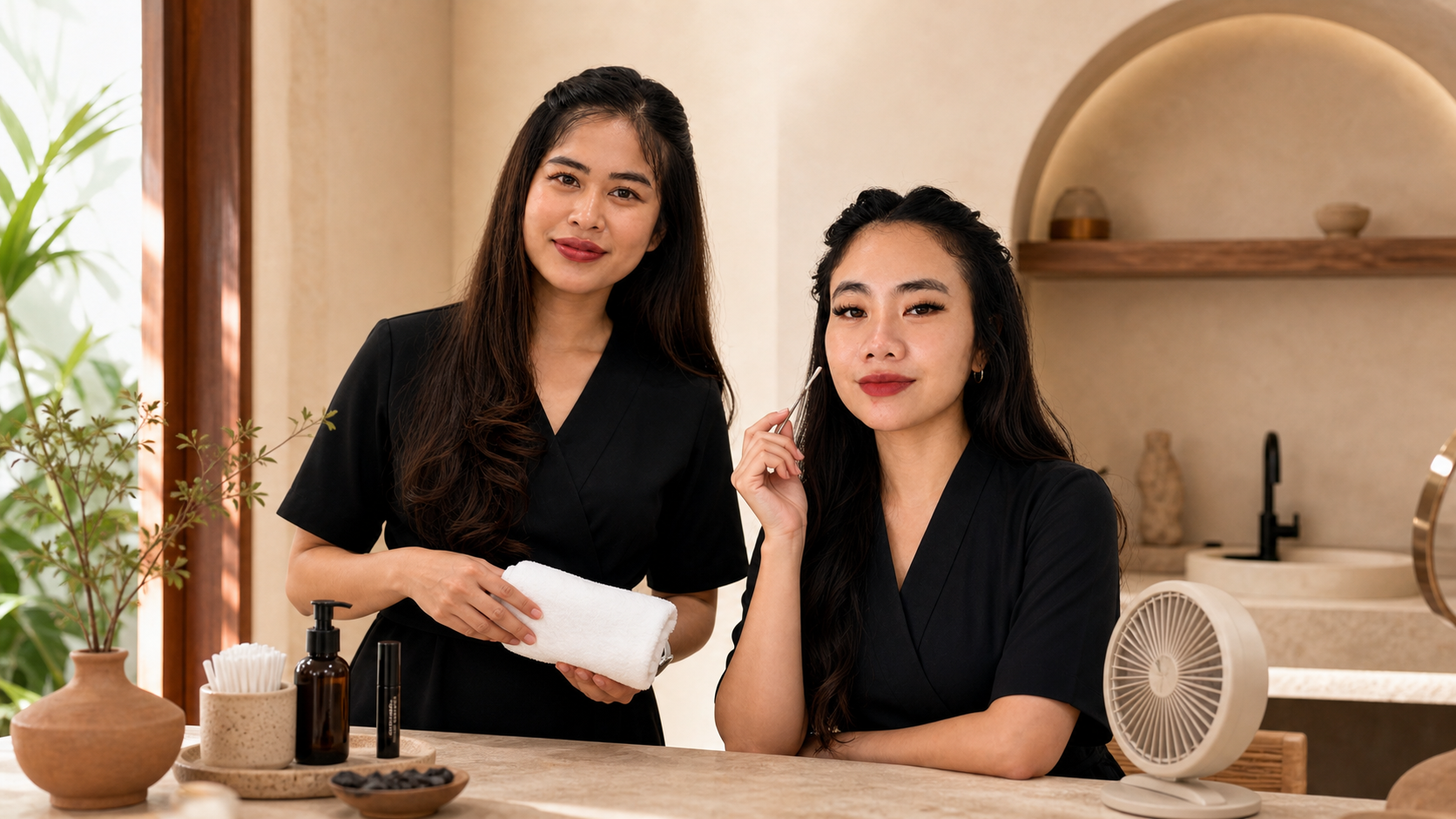
If you’ve ever watched a mascara-coated lash curl droop within an hour of stepping outside in Seseh, it’s fair to assume Bali’s humidity is bad news for your lashes generally. It isn’t — at least not for a professional Lash Lift. A lash curler bends lashes mechanically without changing their structure, so heat and moisture relax that bend fast. A lash lift works differently: it resets the lash’s internal structure using a water-based setting process, which means humidity doesn’t undo it the way it undoes a curler.
It’s a fair question to ask before booking, especially if you’re visiting from a drier climate and worried your results will fade faster here than they would at home. In practice, clients living permanently in Bali and clients visiting for a week or two both get the same 6–8 week range — the climate itself isn’t shortening that window.
The honest answer is aftercare, not weather. Oil-based products around the eyes, rubbing, and skipping the first 24–48 hours of care make far more difference to how long your curl holds than any amount of humidity, sweat or sea air. We cover the exact first-two-day routine in our aftercare guide — it’s worth reading before your appointment, not after.
Chlorine itself won’t strip a properly set lift, but pool water often carries sunscreen residue and oils from other swimmers, which can build up on lashes over a day at the pool. A quick rinse with plain water after swimming and a gentle pat dry — no rubbing — keeps that residue from settling in.
Saltwater is generally fine for a set lift. The bigger risk at the beach is usually sunscreen or oil-based tanning products migrating down the face and onto the lash line. If you’re applying SPF before a swim, try to keep oil-based formulas away from the eye area, or apply with a clean fingertip rather than rubbing it in near the lashes.
Sweat is mostly water and salt — it doesn’t break down a lift the way an oil-based cleanser does. The main risk from heat is the instinct to wipe your face repeatedly with a towel or your hands, which is really a friction problem rather than a humidity one. A light pat rather than a wipe protects the curl either way.
This matters most on active days — surf sessions, long beach walks, or motorbike rides in the midday heat around Cemagi and Seseh. The habit of dabbing rather than rubbing sweat away is a small adjustment, but it’s the same principle that protects the lift through any other source of moisture.
Bali sun makes daily SPF non-negotiable, but the eye area is exactly where oil-based sunscreens tend to migrate throughout the day. Mineral, water-based, or stick formulas designed for the face generally sit better near the lash line than heavier lotion sunscreens, and they’re less likely to soften the curl over the course of a beach day.
Bali’s climate is one of the more forgiving environments for a lash lift — the real work happens in how you treat your lashes in the first two days, not in avoiding the weather.
Villas and cars with strong air conditioning create the opposite environment from a humid beach day, and neither extreme particularly bothers a set lift. The main thing worth watching in air-conditioned rooms is dryness around the eyes generally — a light, oil-free eye cream can help your skin, though it isn’t required to protect the lift itself.
Don’t let humidity talk you out of a lash lift in Bali — it holds up well through pool days, sea swims and sweaty afternoons. What actually determines how long your results last is the same everywhere in the world: gentle products, minimal rubbing, and a solid first 48 hours of aftercare. Get that part right, and Bali’s climate is one of the easier places to enjoy the full 6–8 weeks.
Save this guide for later, then let us take care of the details in Seseh.
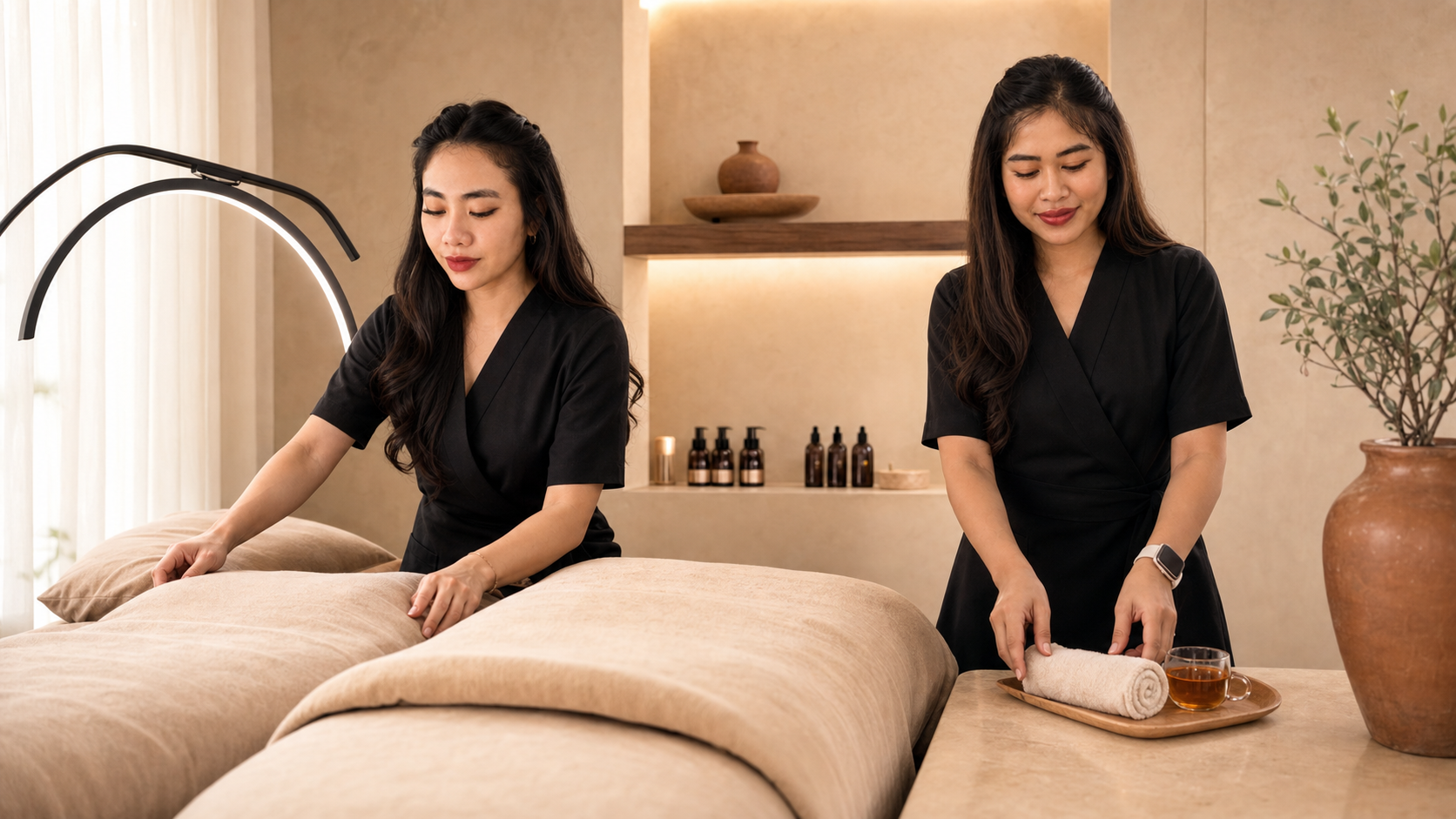
Self-care is more than a trend — it’s essential. Here’s why.
Read more →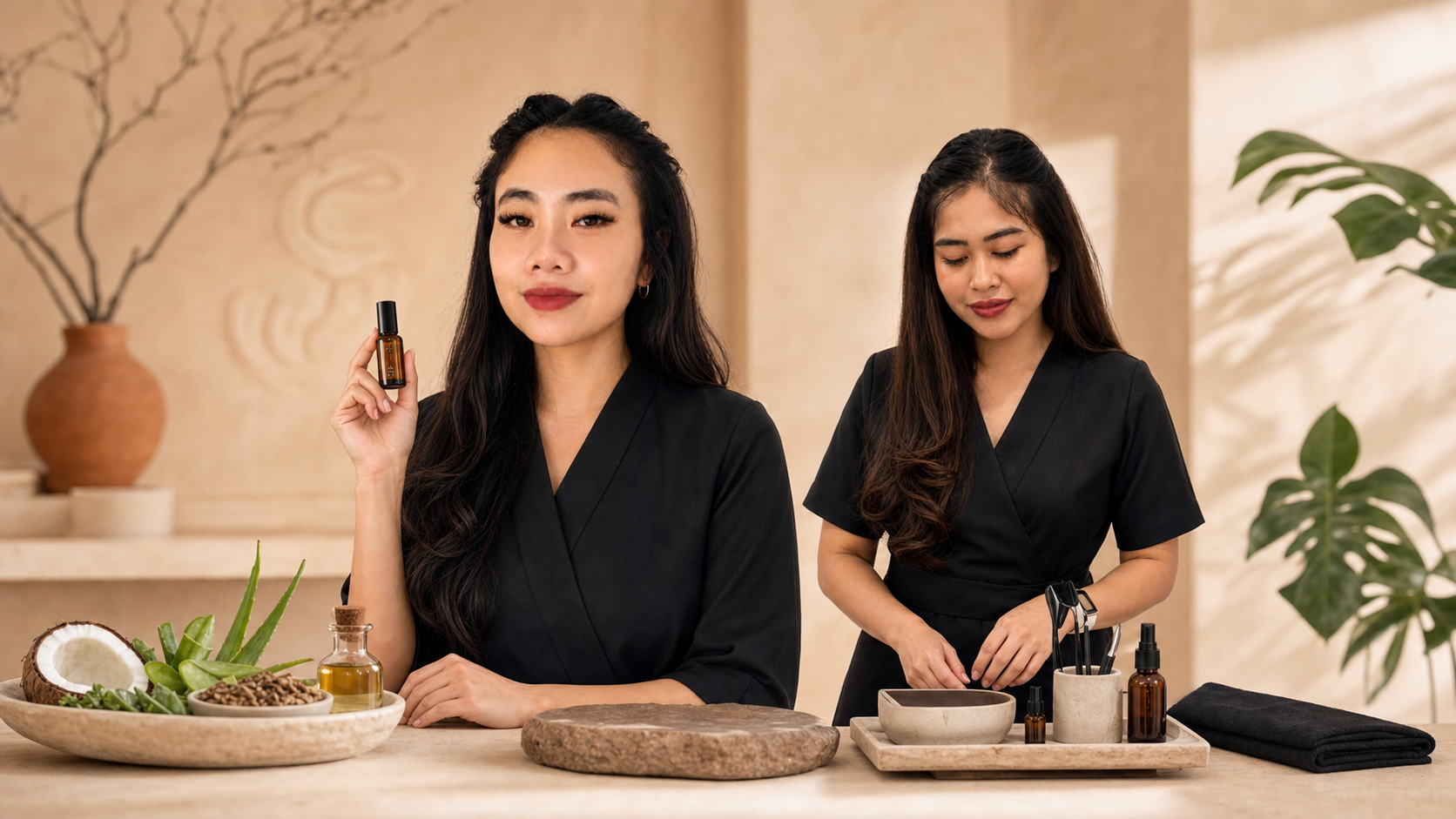
Nourish your lashes from the root with these lash-loving ingredients.
Read more →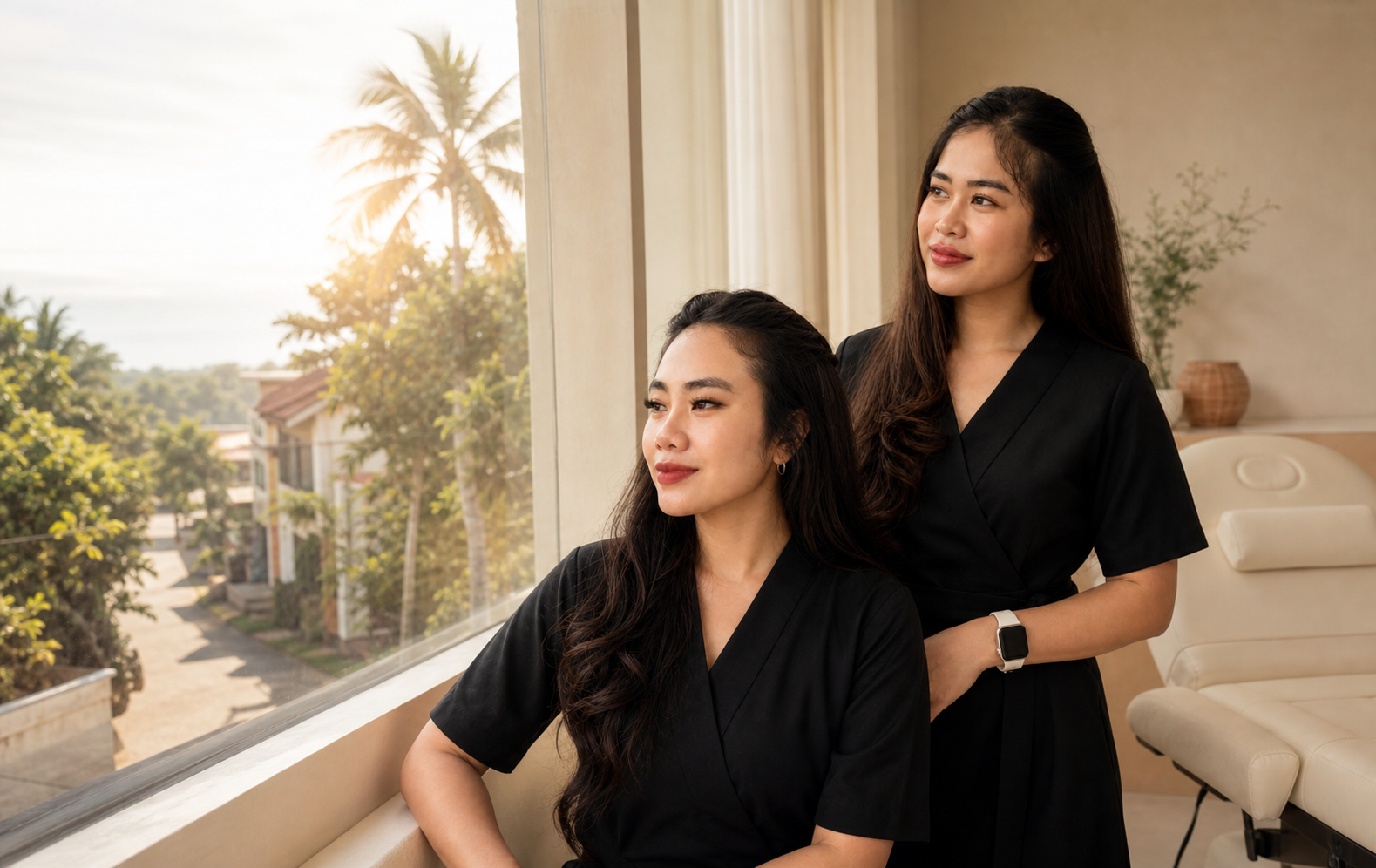
A general guide to Bali’s dry and wetter seasons, crowds and weekday vs weekend timing, and why Seseh and Cemagi stay calm whatever time of year you visit.
Read more →